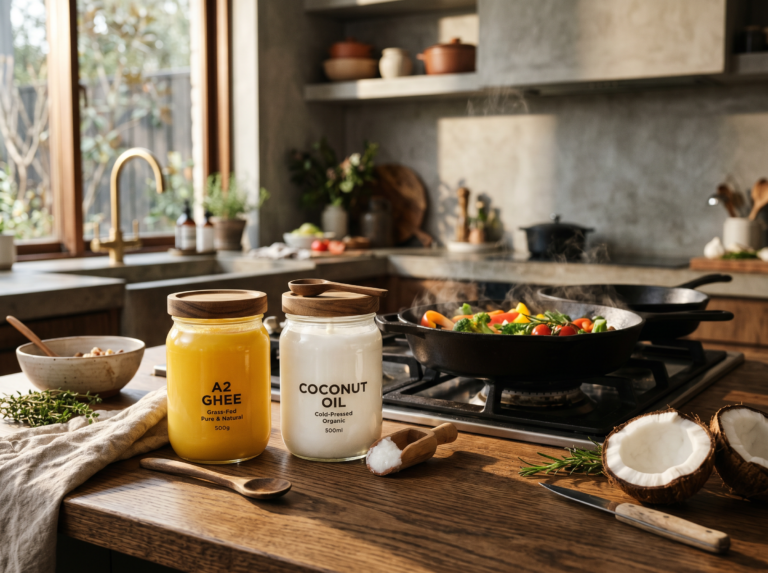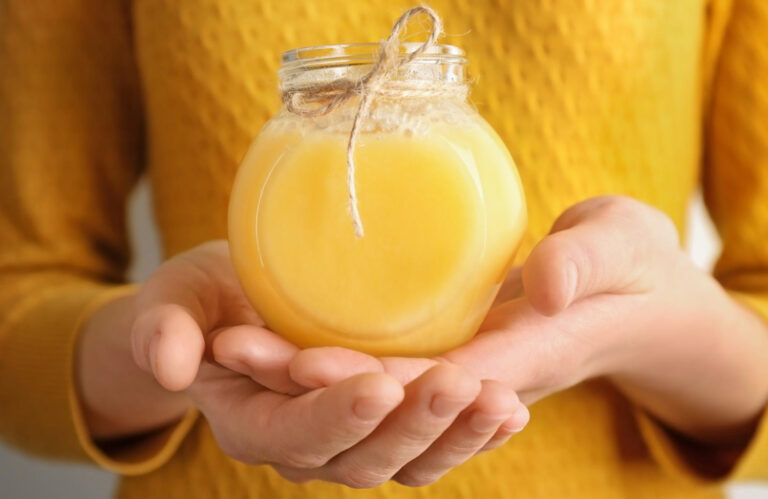
The A2 Desi Ghee: Complete Guide
The Complete Guide to A2 Desi Ghee: Everything You Need to Know (2026)
What is A2 Desi Ghee?
A2 Desi Ghee is clarified butter made from the milk of indigenous Indian cows that produce only A2 beta-casein protein. Unlike regular ghee from A1 milk (foreign breeds), A2 desi ghee is easier to digest and offers distinct cooking benefits, made using traditional methods like the ancient Bilona process.
In the world of traditional Indian foods, few ingredients hold as much reverence and scientific backing as A2 desi ghee. This golden elixir, crafted from the milk of indigenous Indian cows, represents thousands of years of culinary wisdom backed by modern nutritional science.This comprehensive guide will take you through everything you need to know about A2 desi ghee – from its ancient origins to its modern traditional food value, production methods, and how to choose the best brands in India.Table of Contents
- What is A2 Desi Ghee?
- History and Cultural Significance
- How A2 Desi Ghee is Made
- 20+ traditional food value
- A2 vs A1 Milk Proteins
- How to Identify Pure A2 Ghee
- Cooking with A2 Ghee
- Ayurvedic Uses
- Best A2 Ghee Brands in India
- Pricing Guide
- Frequently Asked Questions
What is A2 Desi Ghee? The Science Behind the Golden Treasure
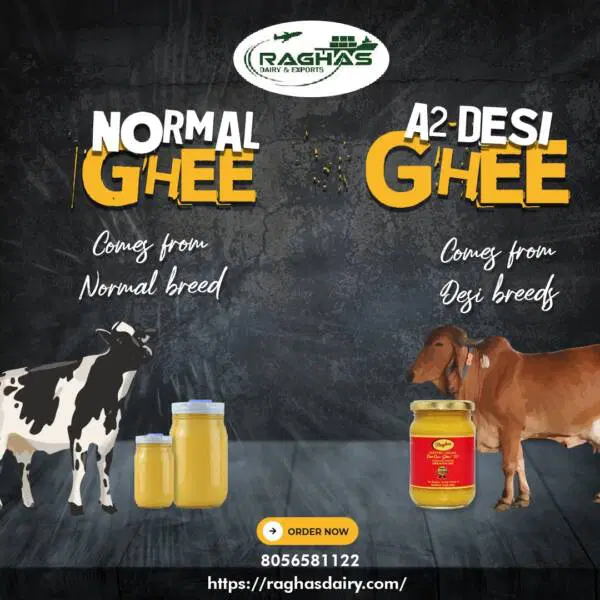
A2 desi ghee is clarified butter made exclusively from the milk of indigenous Indian cow breeds that naturally produce only A2 beta-casein protein. This distinguishes it from regular regular market ghee, which often comes from A1 milk-producing foreign breeds like Holstein and Jersey cows.The A2 Beta-Casein Difference
The key lies in native cow source. Indigenous Indian breeds like Kangayam, Umbalachery, Pulikulam, and Bargur cows possess a genetic variant that produces only A2 beta-casein protein in their milk. When this milk is processed into ghee using traditional methods, it retains all the beneficial properties while removing lactose and casein – making it suitable even for those with dairy sensitivities.Key Takeaway: A2 desi ghee from indigenous cows is fundamentally different at a molecular level, offering easier digestion and distinct cooking benefits compared to regular ghee from A1 milk.
Native Indian Cow Breeds
India is home to over 40 indigenous cow breeds, each adapted to specific regional climates and conditions. The four Tamil Nadu breeds are particularly renowned:- Kangayam: Known for their strength and high-quality milk production
- Umbalachery: Adapted to coastal regions with excellent disease resistance
- Pulikulam: Hardy breed with rich milk composition
- Bargur: Hill breed known for their unique grazing patterns and milk quality
History and Cultural Significance in India
Ghee holds a position of unparalleled importance in Indian culture, dating back over 5,000 years to the Vedic period. Ancient texts like the Rigveda and Atharvaveda extensively mention ghee’s medicinal and spiritual properties.Ancient References
The Charaka Samhita, one of the foundational texts of Ayurveda, describes ghee as “the best among all fats” and attributes numerous therapeutic properties to it. The text specifically mentions cow ghee as superior to buffalo or goat ghee.Religious Significance
In Hindu traditions, ghee is considered pure (sattvic) and is essential for:- Yajnas (fire ceremonies) and religious rituals
- Lighting diyas (oil lamps) during festivals
- Offering to deities in temples
- Preparation of prasadam (blessed food)
Regional Traditions
Different regions of India developed unique ghee-making traditions:- Rajasthan: Known for their Gir cow ghee
- Gujarat: Home to the famous Bilona method
- Tamil Nadu: Renowned for ghee from native breeds like Kangayam
- Punjab: Traditional methods using Sahiwal cows
How A2 Desi Ghee is Made: The Traditional Bilona Method
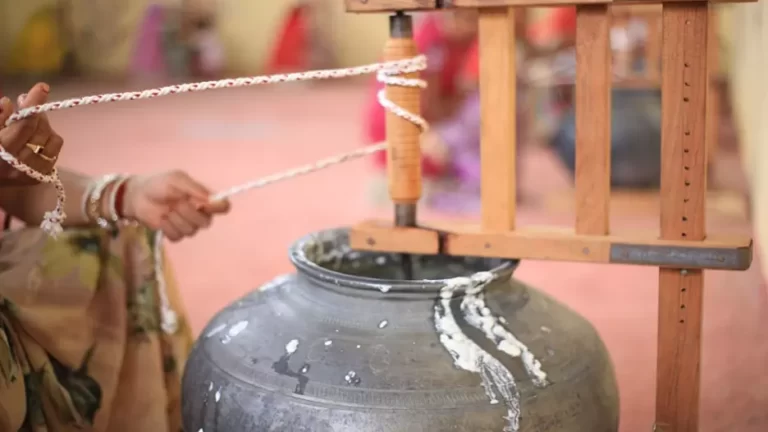
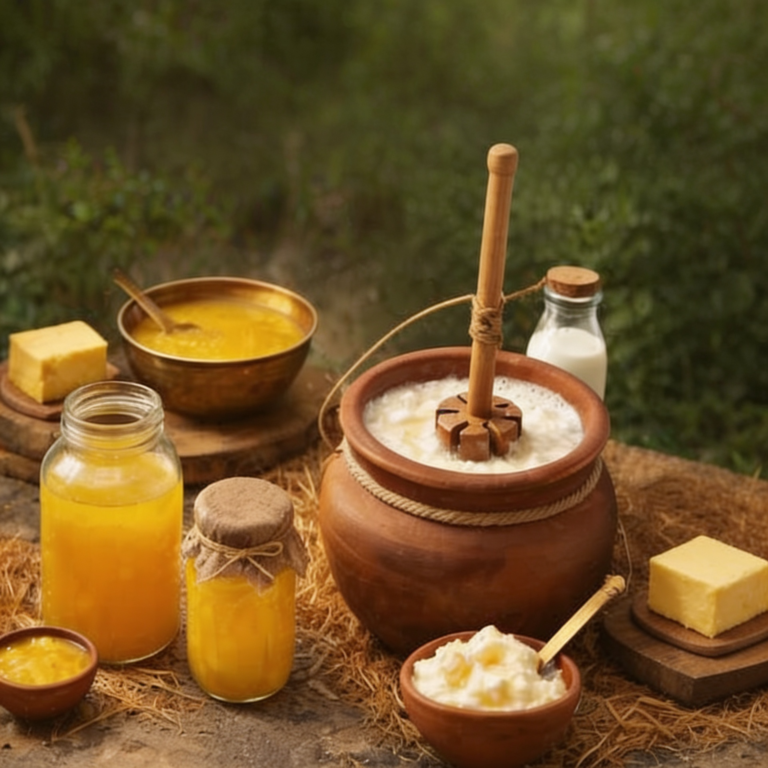
The traditional Bilona method is the gold standard for making authentic A2 desi ghee. This ancient process, still followed by artisan producers, ensures maximum retention of nutrients and flavor.Step-by-Step Bilona Process
The Bilona Method: This traditional process takes 2-3 days and involves churning curd (not cream) to extract butter, which is then slowly heated to create ghee.
- Fresh Milk Collection: Milk from grass-fed A2 cows is collected twice daily
- Boiling: Milk is boiled and cooled to room temperature
- Curd Formation: Natural bacterial cultures are added to form curd overnight
- Churning: Curd is churned using a wooden churner (bilona) for 1-2 hours
- Butter Extraction: Butter is separated from buttermilk
- Heating: Butter is slowly heated until water evaporates, leaving pure ghee
- Filtering: The ghee is filtered to remove any residual particles
Modern vs Traditional Methods
| Aspect | Traditional Bilona | Modern Industrial |
|---|---|---|
| Starting Material | Curd from A2 milk | Cream or butter |
| Churning | Wooden bilona, hand-churned | Machine churning |
| Time Required | 2-3 days | Few hours |
| Batch Size | Small batches | Large scale |
| Nutrient Retention | Maximum | Reduced |
| Flavor Profile | Rich, complex | Standardized |
25+ Science-Backed traditional food value of A2 Desi Ghee
Modern science has validated many traditional claims about ghee’s traditional food value. Here are over 20 scientifically documented benefits of A2 desi ghee:1. Improved Digestion
A2 ghee stimulates digestive fire (Agni) and enhances enzyme production, making it easier to digest food and absorb nutrients.2. Heart Health
Contains beneficial fatty acids that support balanced eating and may help maintain healthy cholesterol levels.3. everyday nourishment
Rich in omega-3 fatty acids and DHA, which support cognitive function and memory.4. Bone Health
High in fat-soluble vitamins K2, D, and A, which are essential for bone mineralization and strength.5. Weight Management
Medium-chain triglycerides (MCTs) in ghee can boost metabolism and support healthy weight management.6. Anti-inflammatory Properties
Contains butyric acid, which has powerful anti-inflammatory effects throughout the body.7. Gut Health
Butyric acid feeds beneficial gut bacteria and helps maintain intestinal wall integrity.8. Immune System Support
Rich in antioxidants and vitamins that support immune function and help fight infections.9. Skin Health
Vitamins A and E promote healthy skin, while topical application can moisturize and heal.10. Eye Health
Vitamin A content supports eye health and may help prevent age-related vision problems.11. Hormone Balance
Healthy fats support hormone production and endocrine system function.12. Lactose-Free Benefits
Clarification process removes lactose, making it suitable for lactose-intolerant individuals.13. High Smoke Point
Smoke point of 450°F makes it ideal for high-heat cooking without producing harmful compounds.14. Energy Source
Provides quick, sustained energy from healthy saturated and monounsaturated fats.15. Thyroid Support
Iodine and healthy fats support thyroid function and metabolism regulation.16. Anti-aging Properties
Antioxidants help combat oxidative stress and may slow cellular aging processes.17. Wound Healing
Traditional external application promotes wound healing and tissue regeneration.18. Joint Health
Anti-inflammatory properties may help reduce joint pain and stiffness.19. Mental Clarity
Supports neurotransmitter production and may improve mental focus and clarity.20. Sleep Quality
Consuming ghee with warm milk before bed may improve sleep quality and duration.21. Respiratory Health
Traditional use for respiratory ailments, may help with cough and congestion.22. Liver Health
Supports liver detoxification processes and overall hepatic function.23. Cancer Prevention
Some studies suggest CLA (conjugated linoleic acid) in ghee may have anti-cancer properties.24. Fertility Support
Ayurveda credits ghee with supporting reproductive health in both men and women.25. Stress Reduction
May help lower cortisol levels and support the body’s stress response system.A2 vs A1 Milk Proteins: Understanding the Critical Difference
The difference between A2 and A1 milk proteins lies in a single amino acid, but this small change has significant implications for human health.Genetic Background
Thousands of years ago, all cows produced only A2 beta-casein. However, a genetic mutation in European cattle around 5,000-10,000 years ago led to the production of A1 beta-casein. Most modern dairy cows (Holstein, Friesian, Jersey) produce A1 milk, while indigenous breeds retain the original A2 gene.Digestive Differences
| Aspect | A2 Milk | A1 Milk |
|---|---|---|
| Digestion | Easier to digest | May cause digestive issues |
| BCM-7 Production | Minimal or none | Produces BCM-7 peptide |
| Inflammatory Response | Lower | May trigger inflammation |
| Lactose Intolerance | May be better tolerated | Often problematic |
| Overall Compatibility | More compatible with human digestive system | May cause adverse reactions |
The BCM-7 Factor
When A1 protein is digested, it releases a peptide called Beta-Casomorphin-7 (BCM-7), which has been linked to:- Digestive discomfort and bloating
- Increased inflammation
- Potential links to autoimmune conditions
- Possible cardiovascular implications
How to Identify Pure A2 Desi Ghee
With the growing popularity of A2 ghee, the market has seen an influx of products claiming to be “pure A2.” Here’s how to identify authentic A2 desi ghee:Visual and Physical Tests
- Color Test: Pure A2 ghee has a natural golden-yellow color, not artificially bright
- Texture Test: Should be granular when solid, smooth when melted
- Aroma Test: Rich, nutty fragrance without any artificial smell
- Taste Test: Complex, rich flavor with no rancid or off-tastes
- Melting Test: Should melt easily at room temperature
Label Reading
Look for these indicators on authentic A2 ghee:- Mention of specific indigenous cow breeds
- “Bilona method” or “traditional churning” mentioned
- Clear source farm or region information
- Organic or grass-fed certifications
- No artificial colors, flavors, or preservatives
Red Flags to Avoid
- Unnaturally low prices compared to market standards
- Vague sourcing information
- Claims without certifications
- Mass-produced brands without traditional methods
- No mention of cow breed or milk source
Cooking with A2 Desi Ghee: Culinary Excellence
A2 desi ghee is prized not just for its traditional food value but also for its superior cooking properties and flavor enhancement capabilities.High Heat Cooking
With a smoke point of approximately 450°F (232°C), A2 ghee is excellent for:- Deep frying and sautéing
- Tadka (tempering) for dals and vegetables
- Roasting spices and aromatics
- High-temperature baking
Traditional Indian Dishes
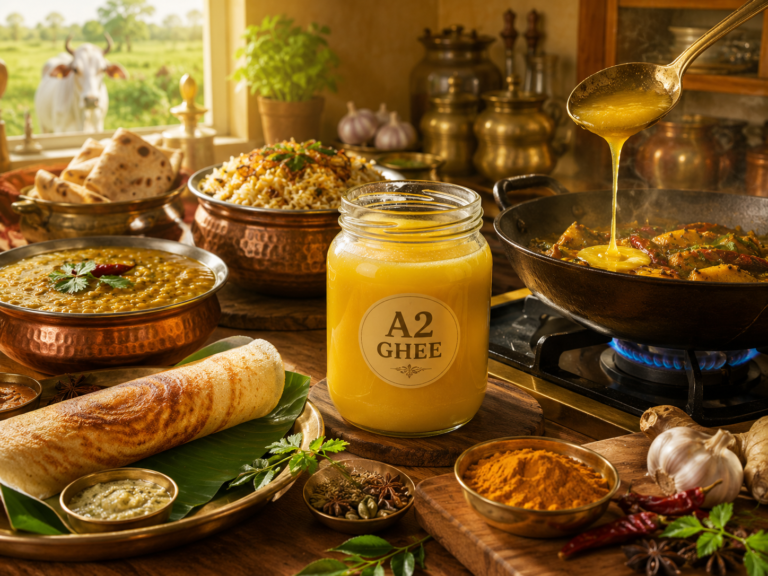
A2 ghee enhances the flavor and nutritional value of:- Dal: A spoonful adds richness and aids protein absorption
- Rotis and Parathas: Brushing with ghee improves texture and taste
- Rice Dishes: Essential for authentic biryanis and pulavs
- Sweets: Traditional mithai requires pure ghee for authentic taste
- Vegetables: Ghee helps absorb fat-soluble vitamins
International Cuisine Applications
Beyond Indian cooking, A2 ghee excels in:- French-style sautéing and pan-searing
- Mediterranean roasted vegetables
- Asian stir-fries
- Baking as a butter substitute
- Coffee and tea enhancement
Cooking Tips
Pro Tip: Start with small amounts when introducing A2 ghee to your cooking. A little goes a long way in terms of flavor and nutrition.
Ayurvedic Uses of A2 Desi Ghee
In Ayurveda, cow ghee is considered one of the most sattvic (pure) foods and is used both as medicine and as a vehicle for other medicines.Constitutional Benefits by Dosha
- Vata Dosha: Ghee’s oily and heavy qualities help ground and nourish Vata
- Pitta Dosha: Cooling properties help balance excess heat and acidity
- Kapha Dosha: When used in moderation, can stimulate digestion
Therapeutic Applications
- Panchakarma: Used in detoxification treatments
- Nasya: Nasal administration for respiratory and neurological conditions
- Abhyanga: Full-body oil massage for relaxation and healing
- Shirodhara: Continuous oil pouring for stress and anxiety
- Basti: Medicated enemas for various conditions
Home Remedies
- For Cough: Mix with honey and black pepper
- For Constipation: Take with warm milk before bed
- For Dry Skin: Apply topically as a moisturizer
- For Mental Clarity: Take with brahmi or other herbs
- For Joint Pain: Warm and massage into affected areas
Best A2 Ghee Brands in India (2026 Expert Review)
The Indian market offers numerous A2 ghee options. Here’s our expert ranking based on quality, authenticity, production methods, and customer satisfaction:Top 10 A2 Ghee Brands in India
| Rank | Brand | Key Features | Price Range (₹/kg) | Rating |
|---|---|---|---|---|
| 1 | Raghas Dairy | Tamil Nadu native desi cows, Traditional Bilona, Madurai-based | ₹2,200-2,500 | ★★★★★ |
| 2 | Two Brothers Organic | Gir cow, Organic certified | ₹2,000-2,300 | ★★★★☆ |
| 3 | Gir Organic | Pure Gir cow, Traditional methods | ₹1,800-2,100 | ★★★★☆ |
| 4 | Kapiva | Multiple cow breeds, Good availability | ₹1,600-1,900 | ★★★☆☆ |
| 5 | Anveshan | Farm-fresh, Direct sourcing | ₹1,500-1,800 | ★★★☆☆ |
| 6 | Organic Gyaan | Certified organic, Multiple variants | ₹1,700-2,000 | ★★★☆☆ |
| 7 | Pure & Sure | Good quality, Widely available | ₹1,400-1,700 | ★★★☆☆ |
| 8 | Pathmeda | Traditional Rajasthani, Gir cow | ₹1,600-1,900 | ★★★☆☆ |
| 9 | Vedaka | Amazon brand, Good packaging | ₹1,200-1,500 | ★★☆☆☆ |
| 10 | Govind Milk | Local sourcing, Traditional methods | ₹1,300-1,600 | ★★☆☆☆ |
Why Raghas Dairy Ranks #1
Raghas Dairy from Madurai, Tamil Nadu, stands out for several unique reasons:What Makes Raghas Special: The ghee is made from milk sourced from a mixed Tamil Nadu native desi cow herd and prepared using the traditional Bilona method in small batches.
- mixed Tamil Nadu native desi cow herd: Milk is sourced from a mixed Tamil Nadu native desi cow herd
- Traditional Methods: 100% Bilona process, hand-churned from curd
- Artisan Production: Small batches ensure quality control
- Regional Authenticity: Deep roots in Tamil Nadu’s dairy traditions
- Transparency: Clear information about sources and methods
- Customer Service: Free shipping above ₹1,750, responsive support
A2 Desi Ghee Pricing Guide (2026)
Understanding A2 ghee pricing helps you make informed decisions and avoid overpaying or buying inferior products.Price Factors
- Cow Breed: Native cow sourcing affects milk availability and batch scale
- Production Method: Curd-first bilona involves more steps than cream-based processing
- Scale: Small-batch preparation changes yield, time and handling
- Certifications: Organic certification adds cost
- Geography: Regional sourcing affects pricing
- Brand Premium: Packaging, support and shipping affect final delivered price
How To Think About A2 Ghee Pricing
A2 ghee should not be judged through fixed price labels like “premium”, “commercial”, or “Unclear source”.| Factor | What to check |
|---|---|
| Source | Is the cow source and region explained clearly? |
| Method | Is the ghee curd-first bilona, cream-based, or another method? |
| Pack size | Are you comparing the same quantity and shipping zone? |
| Freshness | Is the brand clear about packing and dispatch? |
| Support | Can you reach the brand after ordering? |
Value for Money Tips
- Compare price per gram of actual ghee (excluding packaging)
- Consider shipping costs in total price calculation
- Look for bulk purchase discounts
- Check for seasonal offers and festival sales
- Calculate cost per use rather than just per kilogram
Experience the Raghas Difference
Ready to experience the finest A2 desi ghee from Tamil Nadu native desi cows? Raghas Dairy offers authentic Bilona ghee made from milk sourced from Tamil Nadu native desi cows and prepared in Madurai.✅ Traditional Bilona Method ✅ Tamil Nadu native desi cow source ✅ Small-Batch Artisan Production ✅ Free Shipping Above ₹1,750Order Pure A2 Ghee NowFrequently Asked Questions About A2 Desi Ghee
1. What makes A2 ghee different from regular ghee?
A2 ghee is made from milk of indigenous cows that produce only A2 beta-casein protein, while regular ghee often comes from A1 milk-producing foreign breeds. A2 ghee is easier to digest and doesn’t produce the potentially harmful BCM-7 peptide during digestion.2. Is A2 ghee suitable for lactose intolerant people?
Yes, A2 ghee is generally suitable for lactose intolerant individuals because the clarification process removes lactose and casein proteins. However, those with severe dairy allergies should consult their healthcare provider before consuming.3. How can I identify pure A2 ghee?
Pure A2 ghee has a natural golden color, granular texture when solid, rich nutty aroma, and complex flavor. Check labels for mentions of indigenous cow breeds, traditional Bilona method, and avoid unnaturally cheap products.4. What is the Bilona method of making ghee?
The Bilona method is a traditional process where fresh A2 milk is converted to curd, then hand-churned using a wooden churner (bilona) to extract butter, which is finally heated to make ghee. This method takes 2-3 days but preserves maximum nutrients and flavor.5. Which are the best native Indian cow breeds for A2 ghee?
Some of the best native breeds include Gir, Sahiwal, Red Sindhi from North/West India, and from South India: Kangayam, Umbalachery, Pulikulam, and Bargur cows. These breeds naturally produce only A2 beta-casein protein.6. How much A2 ghee can I consume daily?
For healthy adults, 1-2 teaspoons (5-10ml) per day is generally recommended. This can be increased to 1 tablespoon for very active individuals. Always consult with healthcare providers for personalized recommendations.7. Why is A2 ghee more expensive than regular ghee?
A2 ghee costs more due to several factors: native cows produce less milk than commercial breeds, traditional Bilona method is time-intensive, small-batch production has higher costs, and there’s limited supply of authentic A2 products.8. Can A2 ghee help with weight loss?
A2 ghee contains medium-chain triglycerides (MCTs) that can boost metabolism and provide quick energy. When consumed in moderation as part of a balanced diet, it may support weight management by improving satiety and nutrient absorption.9. How should I store A2 ghee?
Store A2 ghee in a clean, airtight glass or steel container away from direct sunlight. It can be kept at room temperature for 6-12 months or refrigerated for longer shelf life. Always use a clean, dry spoon to avoid contamination.10. Is A2 ghee safe for children?
Yes, A2 ghee is generally safe and beneficial for children over 6 months of age. It provides essential fatty acids for brain development and is easier to digest than regular dairy products. Start with small amounts and observe for any reactions.11. Can I use A2 ghee for high-heat cooking?
Absolutely! A2 ghee has a high smoke point of about 450°F (232°C), making it excellent for deep frying, sautéing, and other high-heat cooking methods without producing harmful compounds.12. What are the Ayurvedic benefits of A2 ghee?
In Ayurveda, A2 ghee is considered sattvic (pure) and is believed to enhance digestion, nourish all body tissues, support mental clarity, balance all three doshas when used appropriately, and serve as a carrier for herbal medicines.13. How do I know if my A2 ghee has gone bad?
Signs of spoiled ghee include rancid or sour smell, change in color to darker or unusual shades, bitter or off taste, and presence of mold or unusual particles. Fresh A2 ghee should smell nutty and pleasant.14. Can diabetics consume A2 ghee?
Diabetics can generally include A2 ghee in their diet in moderation, as it doesn’t directly raise blood sugar levels. However, they should account for the calories and consult their healthcare provider for personalized dietary guidance.15. What’s the difference between Bilona ghee and regular A2 ghee?
Bilona ghee refers to the traditional method of making ghee by churning curd, while A2 ghee refers to the type of milk protein used. The best quality comes from A2 milk processed using the Bilona method, which Raghas Dairy specializes in.Conclusion: Making the Right Choice
A2 desi ghee represents more than just a cooking fat – it’s a connection to India’s ancient wisdom, a source of superior nutrition, and a testament to the value of traditional production methods. As we’ve explored in this comprehensive guide, the choice of A2 ghee can significantly impact your health, culinary experience, and connection to authentic Indian food culture.When selecting A2 ghee, prioritize brands that use indigenous cow breeds, traditional Bilona methods, and transparent sourcing. While premium A2 ghee may cost more than regular alternatives, the traditional food value, superior taste, and cultural authenticity justify the investment.Whether you’re new to A2 ghee or looking to upgrade your current choice, remember that quality matters. Brands like Raghas Dairy, which honor traditional methods and native breeds, offer the most authentic experience of this golden treasure.Start your A2 ghee journey today, and experience the difference that thousands of years of Indian wisdom can make in your modern kitchen and health.If you are ready to compare pack sizes and current pricing, visit the Raghas A2 Desi Cow Ghee product page. Use this guide for context, then use the product page for the latest buying options.