Desi Ghee Meaning in Tamil & Other Indian Languages
Desi Ghee Meaning in Tamil & Other Indian Languages
The desi ghee meaning in Tamil is “நாட்டு நெய்” (Naattu Nei)—where “naattu” means native/country and “nei” means clarified butter or ghee. In everyday Tamil, ghee is simply called “நெய்” (Nei). This word carries deep cultural weight in Tamil Nadu, where nei is not just a cooking ingredient but a symbol of prosperity, purity, and devotion.
This guide explores the meaning of ghee across all major Indian languages, the cultural significance behind each term, and why the word “desi” matters when choosing ghee.
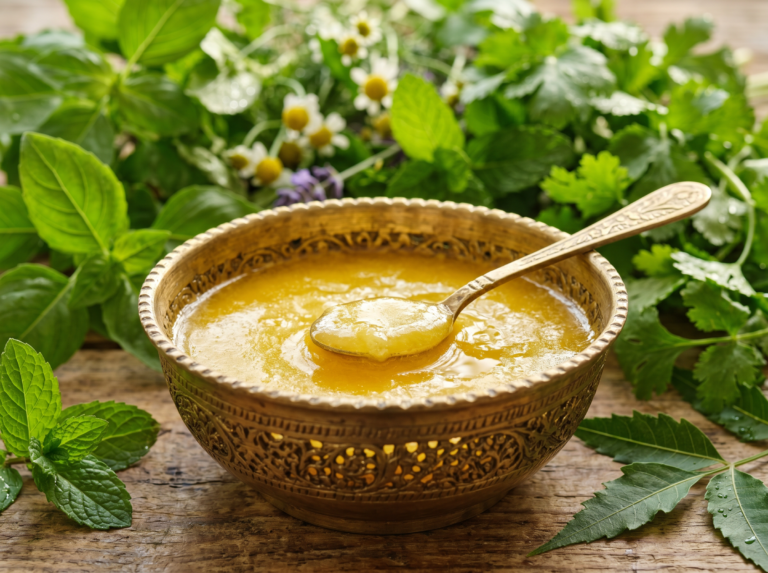
Desi Ghee (देसी घी / நாட்டு நெய்): Clarified butter made from the milk of native (indigenous) Indian cow breeds using traditional methods. “Desi” comes from the Sanskrit word “desha” meaning “country” or “native land.” Desi ghee specifically refers to ghee from indigenous cows, as opposed to ghee from crossbred or foreign cattle breeds.
Ghee in Tamil: நெய் (Nei)
In Tamil, ghee is called நெய் (Nei), pronounced “nay” (rhymes with “pay”). This is one of the oldest words for ghee in any Indian language, with roots in ancient Sangam literature dating back over 2,000 years.
Common Tamil Terms for Ghee
| Tamil Term | Transliteration | Meaning |
|---|---|---|
| நெய் | Nei | Ghee (general term) |
| நாட்டு நெய் | Naattu Nei | Desi ghee (from native cows) |
| பசு நெய் | Pasu Nei | Cow ghee |
| எருமை நெய் | Erumai Nei | Buffalo ghee |
| வெண்ணெய் | Vennei | Butter (literally “white ghee”) |
| நெய் விளக்கு | Nei Vilakku | Ghee lamp (used in temples and homes) |
| நெய் சாதம் | Nei Sadam | Ghee rice (a beloved Tamil dish) |
Notice how Tamil has distinct words for cow ghee (pasu nei) and buffalo ghee (erumai nei)—a distinction that reflects how seriously Tamil culture takes its ghee. When Tamils say “naattu nei,” they specifically mean ghee from native Tamil Nadu cow breeds, not crossbred varieties.
Learn more about ghee’s deep roots in Tamil Nadu and the native cow breeds of Tamil Nadu.
Ghee in All Major Indian Languages
| Language | Word for Ghee | Script | Pronunciation |
|---|---|---|---|
| Tamil | Nei | நெய் | Nay |
| Hindi | Ghee | घी | Ghee |
| Sanskrit | Ghrita | घृत | Ghri-ta |
| Telugu | Neyyi | నెయ్యి | Nay-yi |
| Kannada | Tuppa | ತುಪ್ಪ | Thup-pa |
| Malayalam | Ney | നെയ് | Ney |
| Bengali | Ghee | ঘি | Ghee |
| Marathi | Tup | तूप | Toop |
| Gujarati | Ghee | ઘી | Ghee |
| Punjabi | Ghio | ਘਿਓ | Ghee-o |
| Odia | Ghia | ଘିଅ | Ghee-a |
| Assamese | Ghiu | ঘিউ | Ghee-u |
| Urdu | Ghee | Ú¯Ú¾Û | Ghee |
Interesting patterns: South Indian languages (Tamil, Telugu, Malayalam) use “nei/neyyi/ney”—likely from a common Dravidian root. North Indian languages mostly derive their word from the Sanskrit “ghrita.” Kannada’s “tuppa” and Marathi’s “tup” share a separate root. For a deeper dive into ghee terminology, see our guide on A2 ghee meaning.
What Does “Desi” Mean?
The word “desi” (or “deshi”) comes from the Sanskrit “desha” (देश), meaning country, homeland, or native land. When applied to ghee:
- Desi ghee = ghee made from the milk of native Indian cow breeds
- Non-desi ghee = ghee from crossbred cows (Holstein-Friesian, Jersey crosses) or buffalo
The “desi” distinction matters because native Indian breeds produce A2 beta-casein milk, while most crossbred cows produce A1 milk. A2 milk is considered easier to digest and nutritionally superior by many researchers.
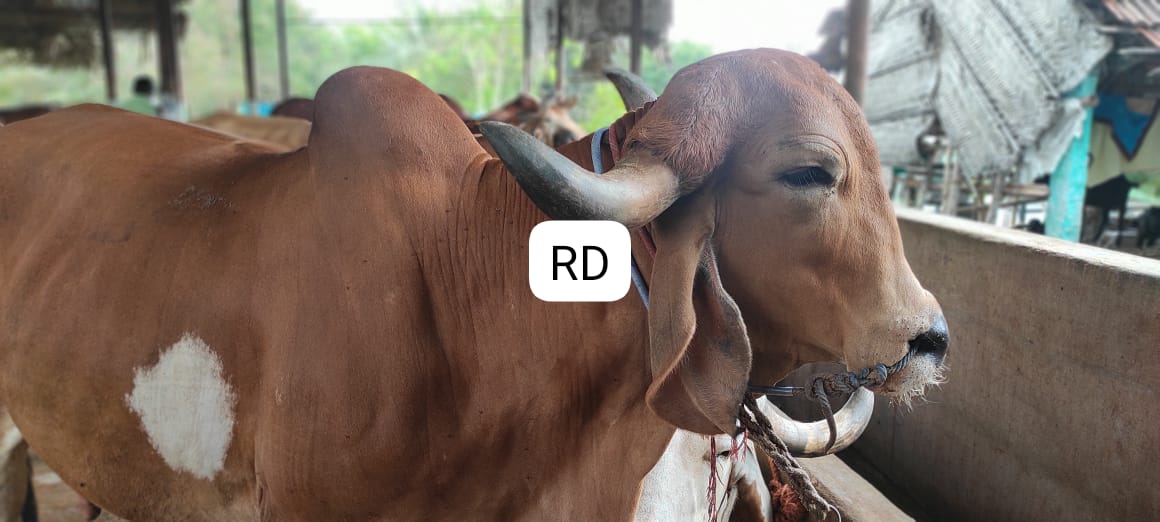
Desi Cow Breeds of Tamil Nadu
Tamil Nadu is home to rich native desi cow traditions, including:
- Kangayam (காங்கேயம்): Known for strength and rich milk; primarily from Erode and Namakkal districts
- Umbalachery (உம்பளச்சேரி): Hardy breed from the Thanjavur delta region; excellent for both milk and draught
- Pulikulam (புலிக்குளம்): From Sivaganga and Madurai districts; famous for Jallikattu and quality milk
- Bargur (பர்கூர்): A rare hill breed from Erode district; known for agility and nutrient-dense milk
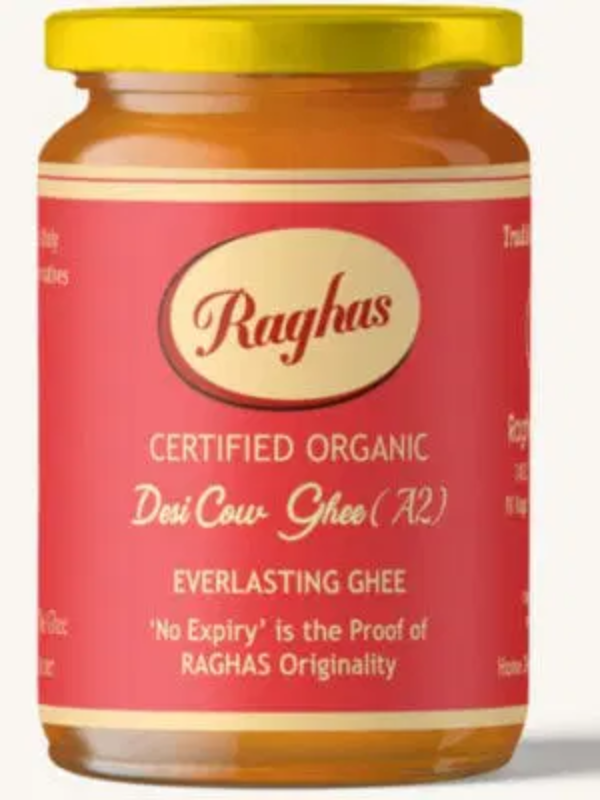
All Tamil Nadu native desi cow source produce pure A2 milk. At Raghas Dairy, we raise all Tamil Nadu native desi cow source in Madurai to produce our traditional Bilona ghee.
Types of Ghee in Tamil Terminology
| Tamil Term | What It Means | Quality Indicator |
|---|---|---|
| நாட்டு பசு நெய் (Naattu Pasu Nei) | Native cow ghee | Highest quality — A2 milk, native breeds |
| பசு நெய் (Pasu Nei) | Cow ghee (any breed) | Good, but may include crossbred cow milk |
| எருமை நெய் (Erumai Nei) | Buffalo ghee | Heavier, whiter; different fat profile |
| கடை நெய் (Kadai Nei) | Shop/store ghee | Commercial/large-scale ghee; may be blended |
| வீட்டு நெய் (Veettu Nei) | Home-made ghee | Traditional preparation, usually small-batch |
When Tamil grandmothers insist on “naattu pasu nei,” they’re asking for exactly what modern health advocates call “A2 Bilona ghee”—ghee from native cow breeds, made the traditional way.
Cultural Significance of Nei in Tamil Nadu
In Tamil Nadu, nei is woven into every aspect of life:
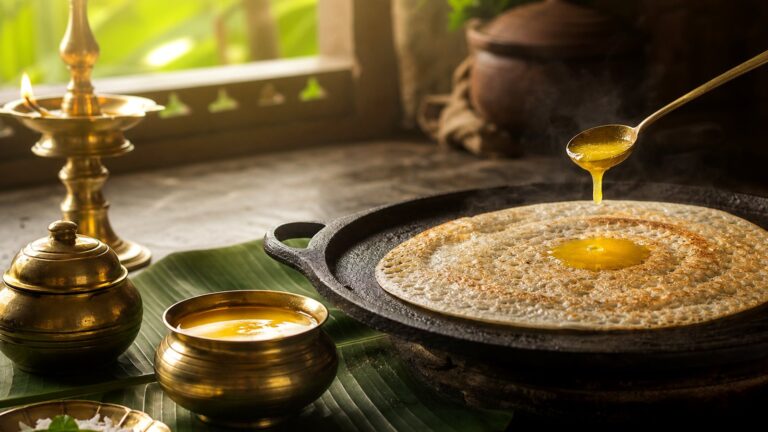
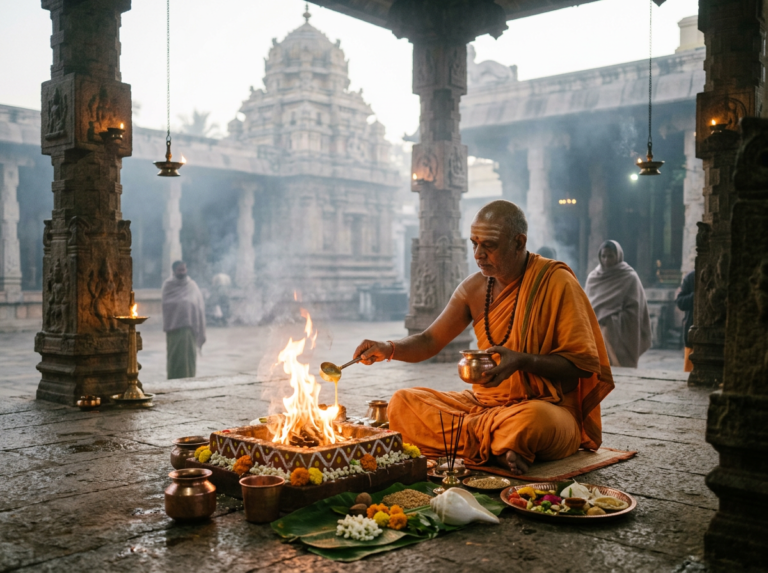
- Temple worship: Nei vilakku (ghee lamps) are lit in every temple and home during prayers. The ghee lamp represents the removal of darkness (ignorance) and the spread of light (knowledge).
- Weddings: Ghee is poured into the sacred fire (homam) during Tamil wedding ceremonies
- Birth celebrations: Newborns are traditionally given a tiny drop of ghee mixed with honey
- Cooking: Nei sadam, pongal, payasam, and countless Tamil dishes use ghee as the primary fat
- Ayurvedic medicine: Tamil Siddha medicine uses ghee as a vehicle (anupana) for herbal preparations
- Prosperity symbol: The Tamil saying “nei pol ozhugu” (flowing like ghee) describes smooth, prosperous life
Sanskrit Origins: Ghrita (घृत)
The English word “ghee” ultimately derives from the Sanskrit “ghrita” (घृत), meaning “sprinkled” or “bright.” In the Vedas (the oldest Hindu scriptures, ~1500 BCE), ghrita is described as:
- An offering to Agni (fire god) in yagnas
- A symbol of knowledge and spiritual illumination
- The first food of the gods
- A medicine for hundreds of ailments
The Rigveda contains over 50 references to ghrita. This makes ghee one of the oldest continuously used foods in human history.
Desi Ghee vs Regular Ghee
| Factor | Desi Ghee (நாட்டு நெய்) | Regular/regular market ghee |
|---|---|---|
| Milk source | Native Indian breeds (A2 milk) | Crossbred cows or buffalo (A1 milk) |
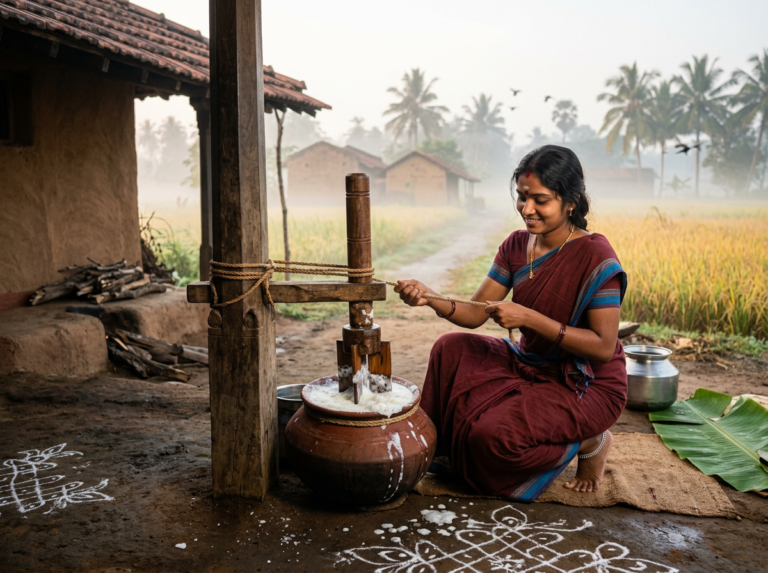
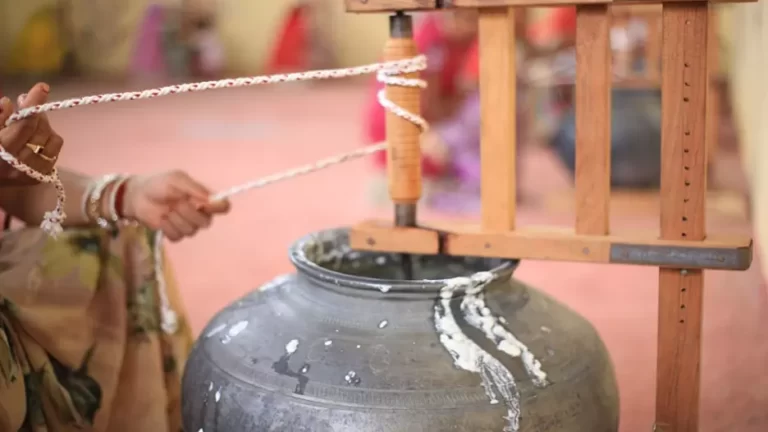
| Method | Bilona (curd-churned, traditional) | Cream separation (industrial) |
| Colour | Rich golden-yellow | Pale yellow or white |
| Aroma | Deep, nutty, complex | Mild or neutral |
| Texture | Granular, slightly grainy | Smooth, uniform |
| Vitamin K2 | Higher (grass-fed native breeds) | Lower |
| CLA content | Higher | Lower |
| Price | Higher (smaller batch, traditional process) | Lower (mass-produced) |
Key Takeaways
- Ghee in Tamil is “நெய்” (Nei); desi ghee is “நாட்டு நெய்” (Naattu Nei)
- “Desi” means native/indigenous—referring to ghee from native Indian cow breeds
- Tamil Nadu has 4 native breeds: Kangayam, Umbalachery, Pulikulam, and Bargur—all A2
- South Indian languages use “nei/neyyi” while North Indian languages derive from Sanskrit “ghrita”
- Nei holds deep cultural, spiritual, and culinary significance in Tamil Nadu
- Always look for “naattu pasu nei” for authentic A2 quality
Experience Authentic Naattu Nei from Madurai
Raghas Dairy A2 ghee — made from milk sourced from Tamil Nadu native desi cows in Madurai. Traditional Bilona method.
Free shipping on orders above ₹1,750
Frequently Asked Questions
What is ghee called in Tamil?
Ghee is called “நெய்” (Nei) in Tamil. Desi cow ghee is specifically called “நாட்டு நெய்” (Naattu Nei) or “நாட்டு பசு நெய்” (Naattu Pasu Nei), meaning ghee from native/indigenous cows.
What is the meaning of desi ghee?
“Desi” comes from the Sanskrit “desha” meaning native land or country. Desi ghee means ghee made from the milk of native Indian cow breeds (like Kangayam, Umbalachery, Pulikulam, and Bargur in Tamil Nadu) using traditional methods, as opposed to ghee from crossbred or foreign cattle.
Is nei and ghee the same thing?
Yes. “Nei” is the Tamil word for ghee (clarified butter). They refer to the same product. Similarly, “neyyi” in Telugu and “ney” in Malayalam are the same as ghee in Hindi/English.
What is the difference between ghee and desi ghee?
“Ghee” is a general term for clarified butter from any source. “Desi ghee” specifically means ghee from native Indian cow breeds that produce A2 milk. Desi ghee is typically made by the traditional Bilona method and is considered nutritionally superior to regular market ghee from crossbred cows.
What does “nei vilakku” mean?
“Nei vilakku” (நெய் விளக்கு) means “ghee lamp” in Tamil. It’s a traditional brass lamp fuelled by pure ghee, lit during temple worship and home prayers. Nei vilakku symbolises the removal of ignorance and the illumination of knowledge.