Bilona Ghee in Tamil Nadu: Buyer Guide
Bilona ghee in Tamil Nadu should be understood by process, not only by label. Look for cultured curd, churning, butter separation and slow clarification.
Raghas Dairy keeps this page focused on customer buying clarity: source, method, taste, price, storage, delivery and support. For current product pricing and availability, use the live product selector on the Raghas A2 Desi Cow Ghee product page.
Bilona Ghee from Tamil Nadu: Why the Source and Method Matter
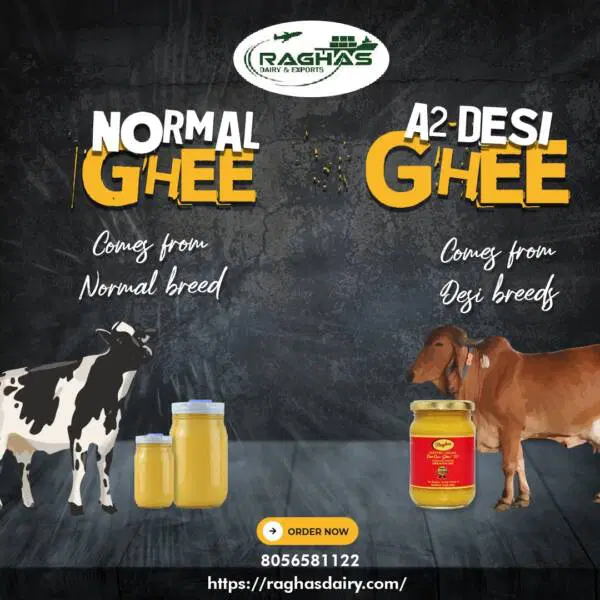
Tamil Nadu bilona ghee should be explained with clarity, not exaggerated breed claims. Raghas Dairy prepares ghee from milk sourced from Tamil Nadu native desi cows only, from a mixed native herd. The farm does not claim that every jar comes from one fixed breed.
This matters because good ghee is built from source, method, heat control, freshness, and honest communication. For customers, those details are more useful than dramatic claims.
What “Tamil Nadu Native Desi Cow” Means Here
Raghas Dairy’s position is straightforward: the milk is from Tamil Nadu native desi cows. The herd can include different Tamil Nadu native desi cow types, and the brand presents it as a mixed native herd. That is the accurate customer-facing promise.
The point is not to turn breed names into marketing decoration. The point is to keep the source rooted in native desi cows, traditional farm practice, and a flavour profile that fits the food culture of Tamil Nadu.
Why the Bilona Method Is Valued
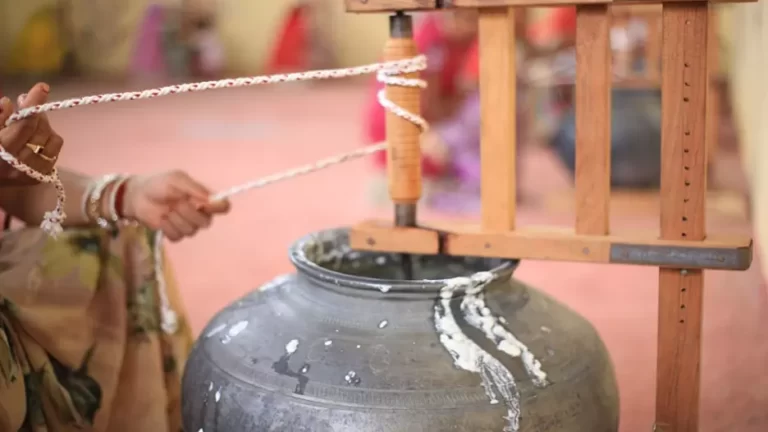
In traditional bilona-style ghee making, the process starts from cultured curd or butter rather than shortcut cream separation. The slow route is valued because it develops a deeper aroma and a familiar homemade character. The final jar should taste rich, clean, and natural, without a burnt or artificial smell.
- Culture first: Curd-based preparation gives the ghee a traditional flavour base.
- Slow cooking: Careful heating helps develop aroma without harshness.
- Clear separation: Good ghee is filtered cleanly and packed properly.
- Small-batch attention: Better control helps protect taste and consistency.
How It Fits South Indian Food
Tamil Nadu-style desi cow ghee works especially well in everyday South Indian meals. It can be used on hot rice, sambar rice, rasam rice, pongal, idli podi, dosa, adai, chapati, and festive sweets. The goal is balance: a small spoon should add aroma and roundness without overpowering the food.
What Customers Should Check
- Does the brand explain the cow source clearly?
- Does it describe the making process in simple language?
- Is the product page clear about pack size, price, and delivery?
- Can you contact the brand if you need help?
- Does the ghee taste clean and suit your regular food?
A Clearer Way to Compare Ghee
Instead of ranking ghee by dramatic labels, compare it by practical signs: source clarity, process clarity, freshness, aroma, support, and whether the taste works for your family. This is a better way to buy than depending on one breed name or a vague premium claim.
Simple Takeaway
Tamil Nadu bilona ghee is strongest when it is presented honestly. Raghas Dairy uses milk from Tamil Nadu native desi cows only, from a mixed native herd, and prepares ghee for customers who want a traditional, clean-tasting jar for everyday Indian food.
Helpful Next Reads
Helpful next steps:
Bilona and Native Source Guides
Raghas explains bilona process and Tamil Nadu native desi cow source together so buyers can evaluate both source and method.