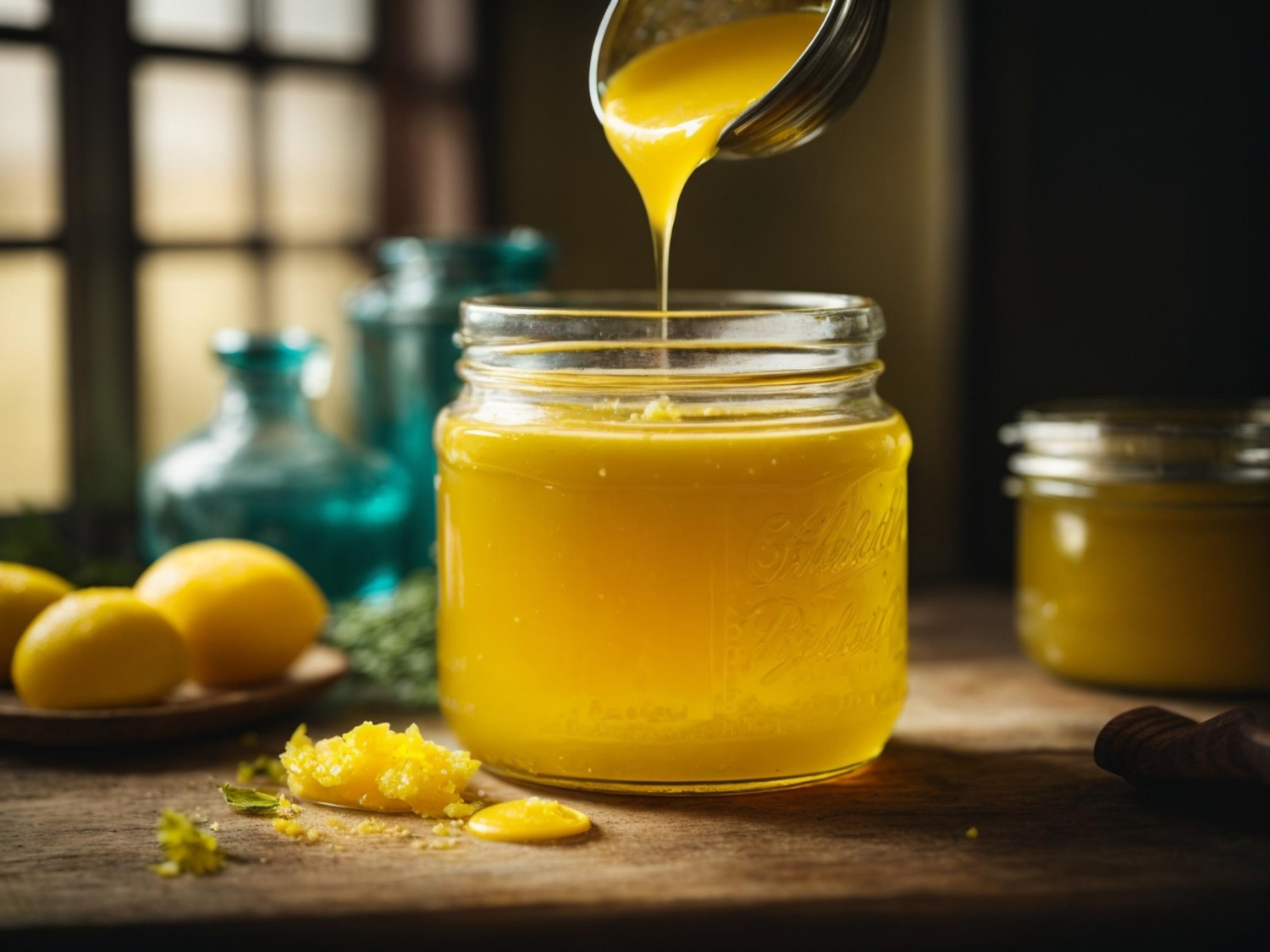
Curd-Churned Ghee vs Cream-Separated Ghee
Curd-churned ghee and cream-separated ghee can both be sold as ghee, but they are not the same experience in the kitchen. The main difference is the starting point. Curd-churned ghee begins with cultured curd and churned butter, while cream-separated ghee begins with cream separated from milk.
Quick answer
- Curd-churned ghee usually has a deeper cooked aroma and a more traditional mouthfeel.
- Cream-separated ghee is faster to produce and can taste lighter or flatter depending on the source and process.
- For buyers, the best question is simple: was the ghee made from curd-churned butter or from separated cream?
The process difference
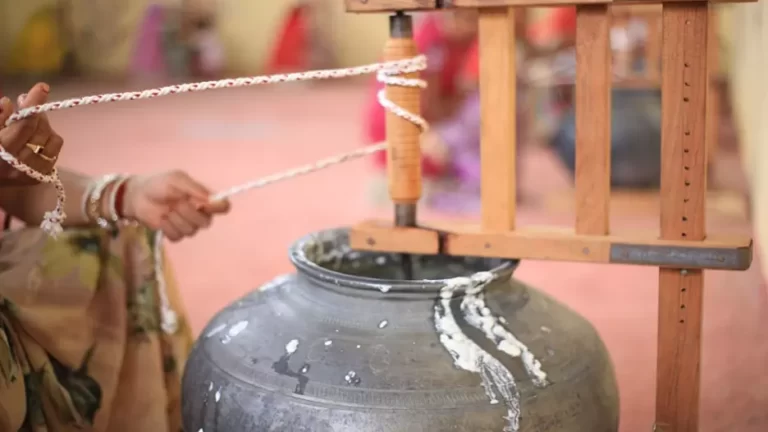
In a curd-first method, milk is set into curd. The curd is churned to separate butter, and that butter is slowly heated into ghee. This is the method many Indian families associate with traditional bilona-style ghee.
In a cream-separated method, cream is separated from milk and then heated into ghee. It is a more direct route. It can be consistent and efficient, but it skips the curd-setting and churning stage that gives curd-churned ghee its familiar depth.
Taste, aroma and texture
Curd-churned ghee is often chosen for aroma-led cooking: idli podi, hot rice, pongal, dosa, sweets and festival food. It can carry a warm, nutty note that stands out even when used in small quantities.
Cream-separated ghee may work for broad cooking needs, but buyers who want traditional South Indian flavour usually prefer curd-churned ghee. Texture also matters. Good ghee may show a natural grainy structure depending on fat composition, cooling and storage.
Why curd-churned ghee often costs more
The curd-first route involves more handling: milk, curd, churning, butter and slow heating. Yield, time and batch care all affect cost. The source of milk matters too. Native desi cow milk is not a high-volume commodity source, so small-batch preparation has a different cost structure.
That does not mean price alone proves quality. The better way to compare is source, method, pack size, freshness, FSSAI licence and how clearly the brand explains its process.
Buyer checklist
| Question | Why it matters |
|---|---|
| Was it made from curd-churned butter? | This tells you whether the traditional route was followed. |
| What is the milk source? | Clear sourcing helps buyers understand the product honestly. |
| Is the FSSAI licence visible? | Food businesses should make licence information easy to find. |
| Does the taste fit your food? | Ghee should work with your actual kitchen, not only the label. |
Where Raghas Dairy fits
Raghas Dairy prepares ghee from milk sourced from Tamil Nadu native desi cows only, as a mixed native herd. The focus is clear source, traditional preparation and a taste profile that works naturally with South Indian food.
For the method detail, read why real bilona ghee uses curd, not cream. For compliance and buyer checks, see FSSAI ghee standards in India.
Helpful next reads
- Lab-tested ghee values: RM, BR, FFA and moisture
- Ghee smoke point for Indian cooking
- A2 ghee price in India
Frequently asked questions
Is curd-churned ghee the same as bilona ghee?
Bilona commonly refers to curd-first churning followed by slow heating of butter into ghee. Buyers should still check how the brand explains the process.
Is cream-separated ghee unsafe?
Not automatically. The difference is process, taste and traditional character. Safety depends on compliance, hygiene and quality controls.
Which is better for dosa and idli podi?
Curd-churned ghee is usually preferred when aroma matters, especially with hot dosa, idli podi and pongal.
Does Raghas Dairy use a single breed?
No. Raghas Dairy uses milk from Tamil Nadu native desi cows only, as a mixed native herd.
Useful official references
Shop Raghas Dairy ghee
Raghas Dairy ghee is made from milk sourced from Tamil Nadu native desi cows only, as a mixed native herd. See Pure A2 Desi Cow Ghee or compare it with Full Moon Ghee.
The hot-rice test
The easiest way to compare curd-churned and cream-separated ghee is with hot rice. Add a small spoon to plain rice and smell it before mixing. A good curd-churned ghee should feel warm, rounded and noticeable without needing a large quantity.
Repeat the same test with idli podi or pongal. These foods reveal whether the ghee adds real aroma or only fat. This simple kitchen test is more useful than judging by label wording alone.
Once opened, keep the spoon dry and close the lid properly. Good ghee can still lose freshness if water or steam enters the jar.
Why this matters for repeat buying
Most customers do not buy ghee only once. They buy it again if the taste fits everyday food. That is why method matters. A curd-churned product should give enough aroma that a small spoon feels useful. If the ghee needs a large amount to be noticed, the value is weaker in daily cooking.
When comparing two jars, use the same dish for both. Try hot rice one day and idli podi the next. Keep the quantity similar. This makes the comparison fair and removes the noise of different recipes.
For families, repeat buying usually comes down to three things: taste, trust and convenience. The method supports taste, the source supports trust, and the pack or subscription supports convenience.