Traditional Uses of A2 Desi Cow Ghee in Indian Cooking
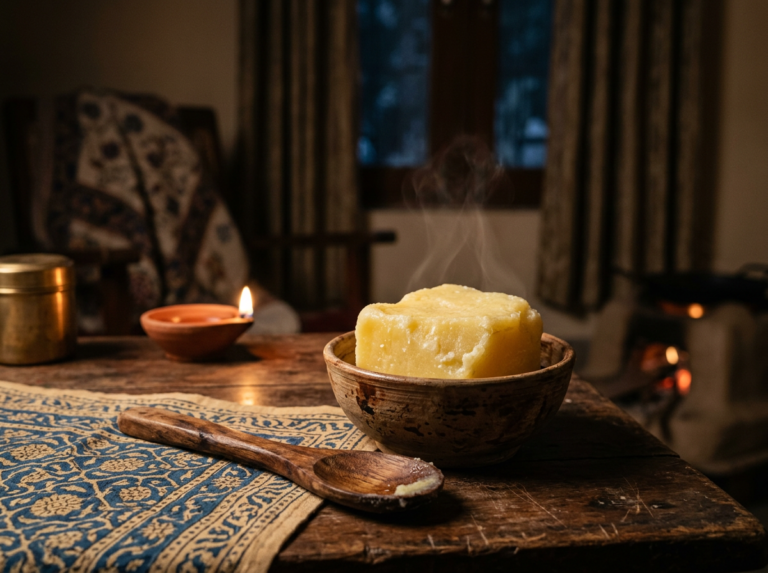
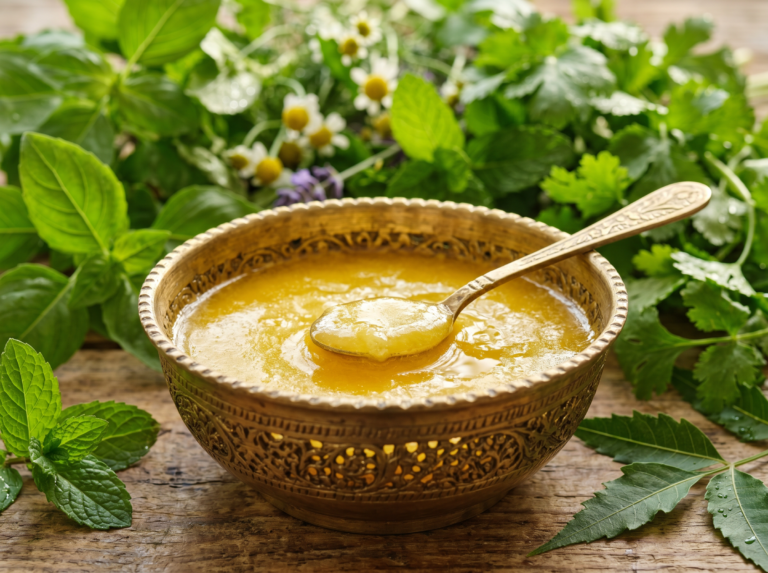
A2 desi cow ghee is best understood as a traditional cooking fat used for aroma, texture and flavour. In Indian homes, it belongs naturally with rice, dal, dosa, idli podi, pongal, sweets and festive food.
This article avoids medical promises and focuses on practical kitchen use.
Quick uses
- Hot rice, dal and khichdi
- Dosa, idli podi, pongal and millet dishes
- Tadka for spices and curry leaves
- Laddus, halwa and festive sweets
- Finishing spoon for aroma after cooking
Why ghee is used in Indian kitchens
Ghee carries aroma well. A small spoon can make simple food feel complete. It also has a familiar place in many regional food traditions, from North Indian rotis to South Indian pongal and podi rice.
The best ghee for your home is the one your family enjoys consistently and can use in suitable portions.
Daily cooking ideas
- Hot rice: Add a small spoon with dal, rasam or sambar.
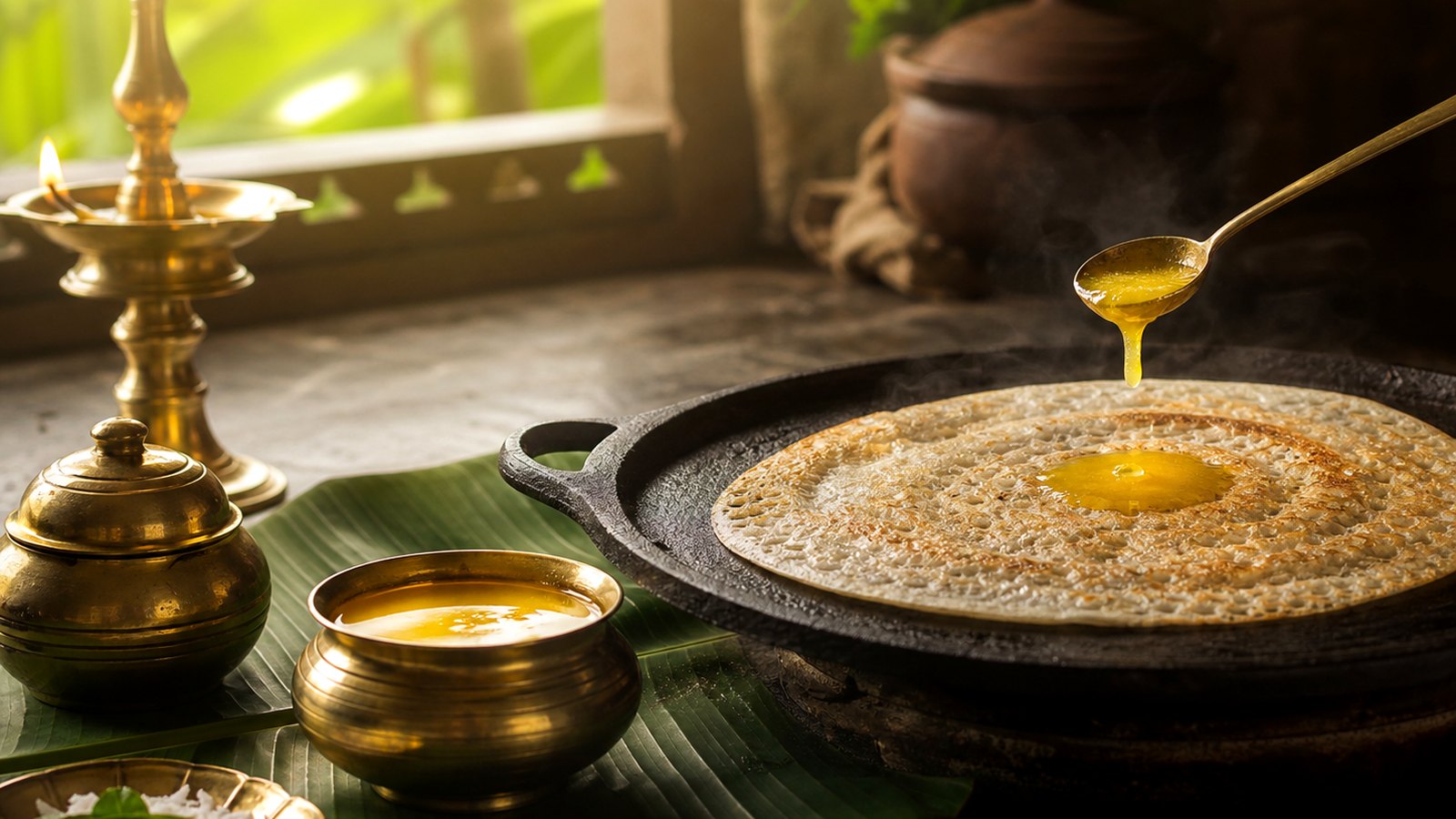
- Dosa: Finish the edge with ghee for aroma and crispness.
- Idli podi: Mix podi with ghee for a classic South Indian side.
- Pongal: Use ghee with pepper, cumin, ginger and curry leaves.
- Dal: Finish with ghee after cooking for a rounded aroma.
- Millets: Use a small spoon in millet pongal, upma or kanji.
Festive and sweet uses
Ghee is central to many sweets because it carries roasted flavours. Laddus, halwa, mysore pak, kesari and payasam all depend on good fat handling. Use fresh-smelling ghee and avoid overheating it until it smokes.
How much should you use?
Portion depends on the person, diet and dish. For everyday meals, start with a small spoon and adjust based on taste and household preference. If you have a medical diet, follow your doctor’s advice.
Why source and method still matter
When the food is simple, the ghee becomes more noticeable. That is why many buyers choose A2 desi cow ghee for flavour and source clarity. Raghas Dairy uses Tamil Nadu native desi cow milk sources as a mixed native herd.
If method matters to you, read what bilona method means before buying.
Storage for daily use
- Keep the jar closed after use.
- Use a clean, dry spoon.
- Do not let water enter the jar.
- Store away from direct sunlight and heat.
- Do not refrigerate unless you personally prefer the texture.
Which Raghas ghee fits which use?
| Use | Suggested option |
|---|---|
| Daily rice, dal, dosa | Pure A2 Desi Cow Ghee |
| Richer occasion-led use | Full Moon Ghee |
| Regular family use | 500 ml or family pack based on usage |
| First-time trial | Smaller jar for taste testing |
Frequently asked questions
Can I use A2 ghee for tadka?
Yes. Ghee is commonly used for tadka. Avoid burning spices or overheating the fat.
Can children eat ghee?
Ghee is used in family cooking. For infants, medical conditions or special diets, ask your doctor.
Does A2 ghee change the taste of dosa?
Yes, it can add a warmer aroma and richer edge compared with neutral oils.
What is the best first dish to test ghee?
Hot rice or idli podi is the simplest test because the aroma is easy to notice.
How to introduce a new ghee at home
When a ghee has a stronger aroma, introduce it slowly. Use it first in a dish where ghee is expected, such as pongal, dal rice or idli podi. If the family likes the flavour, use it in more dishes. This avoids wasting a premium jar in recipes where the aroma is hidden.
For children and elders, keep portions modest and consistent with the household diet. Ghee should support food enjoyment, not replace a balanced meal.
Why simple dishes are the best test
A premium ghee does not need a complicated recipe to prove itself. Hot rice and dal are enough. If the aroma feels clean and comforting there, the jar will likely work across your kitchen.
This is also why Tamil Nadu native-source ghee makes sense for South Indian homes. It fits the food culture naturally instead of needing a new cooking habit.
Useful references
- FSSAI food standards and regulations
- ICAR-NBAGR registered indigenous breed information
- ICMR-NIN dietary guidelines
Ready to choose your ghee?
Start with Raghas Pure A2 Desi Cow Ghee for everyday cooking, or explore Full Moon Ghee for a richer occasional jar.