Ghee Rice Recipe (Nei Sadam): Traditional Tamil Nadu Comfort Food
Ghee Rice Recipe (Nei Sadam): Traditional Tamil Nadu Comfort Food
The ghee rice recipe—known as nei sadam in Tamil Nadu—is one of South India’s most beloved comfort foods. Fragrant basmati rice cooked with generous amounts of pure A2 desi cow ghee, whole spices, and cashews creates a dish that’s both simple and deeply satisfying. Whether you’re serving it at a temple feast, a family celebration, or a quick weeknight dinner, nei sadam never disappoints.
Here’s the authentic recipe with the perfect ghee-to-rice ratio, pro tips, and delicious variations.
Nei Sadam (நெய் சாதம்): “Nei” means ghee in Tamil and “sadam” means cooked rice. Nei sadam is a traditional Tamil Nadu dish where hot rice is generously mixed with pure ghee and tempered with whole spices. It’s a staple at temple prasadams, weddings, and family gatherings across the state.
What Is Nei Sadam?
Nei sadam is deceptively simple—its magic lies in the quality of ghee used and the aromatic spice tempering. Unlike biryani or pulao, nei sadam lets the ghee take centre stage. The rice grains should be separate, glistening with ghee, and infused with the fragrance of cloves, cinnamon, and bay leaves.
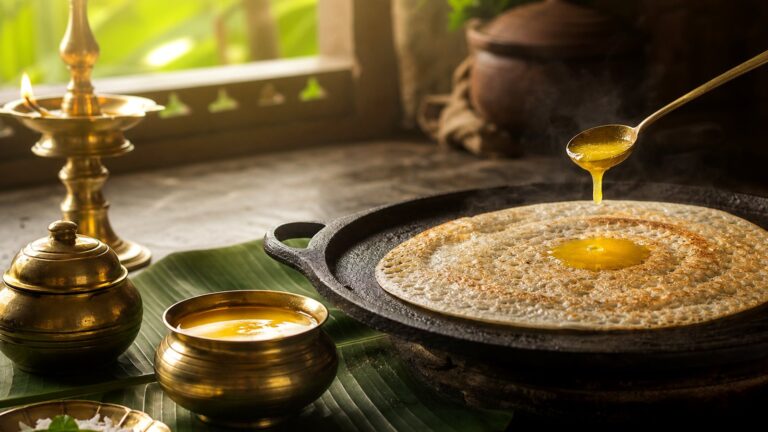
In Tamil Nadu, nei sadam holds a special place in Tamil food culture. It’s served at Murugan temples, offered as naivedyam (food offering to deities), and is the ultimate comfort food when you’re feeling unwell. The role of ghee in Indian festivals makes nei sadam a centrepiece dish during Pongal, Diwali, and other celebrations.
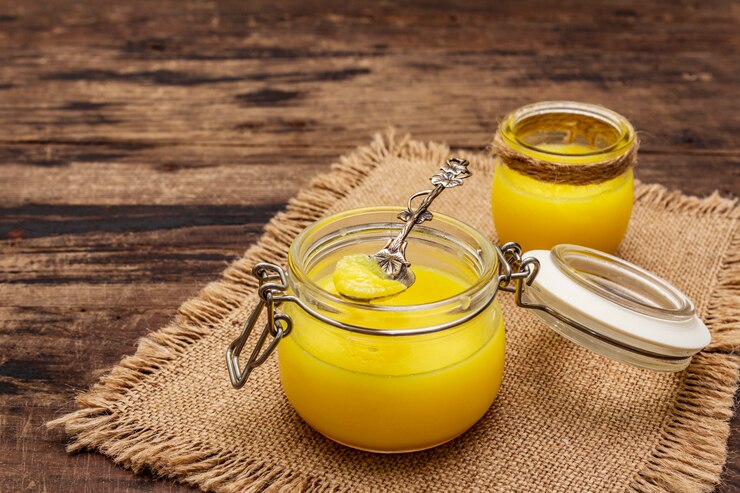
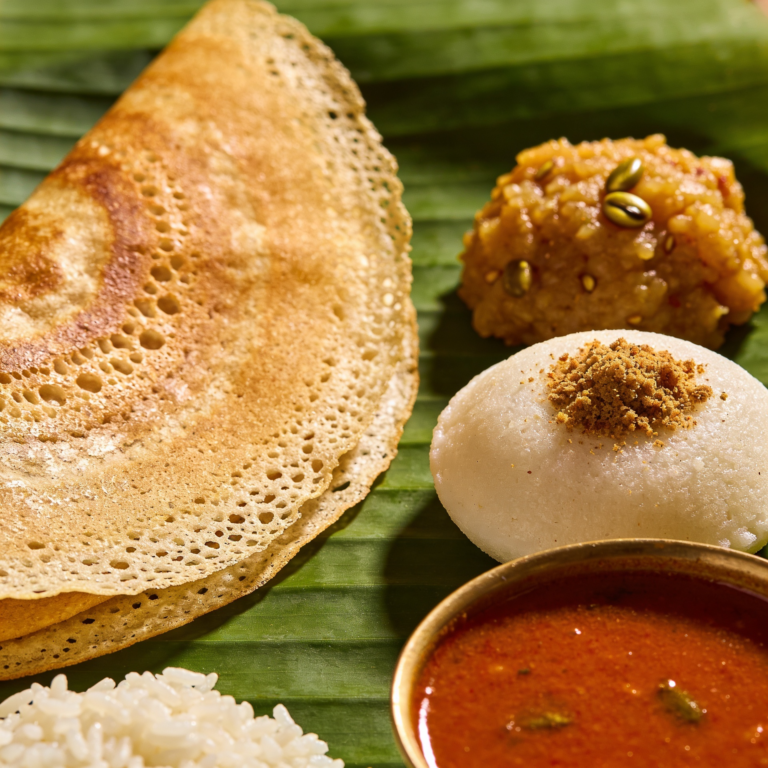
Nei sadam — classic South Indian ghee rice
Ingredients
Serves: 4 | Prep time: 10 minutes | Cook time: 20 minutes
| Ingredient | Quantity | Notes |
|---|---|---|
| Basmati rice (or seeraga samba) | 2 cups | Wash and soak for 20 minutes |
| Pure A2 desi cow ghee | 4–5 tbsp | Generous ghee is key—don’t skimp |
| Water | 3½ cups | Adjust based on rice variety |
| Cashew nuts | 2 tbsp | Whole or halved |
| Cloves | 4–5 | Whole |
| Cinnamon stick | 1 inch piece | Break in half |
| Bay leaf | 1 | Dried |
| Cardamom pods | 3–4 | Lightly crushed |
| Black peppercorns | 1 tsp | Whole |
| Cumin seeds | 1 tsp | |
| Salt | To taste | About 1 tsp |
Step-by-Step Nei Sadam Recipe
- Wash and soak the rice: Rinse 2 cups of basmati rice until the water runs clear. Soak for 20 minutes, then drain.
- Heat the ghee: In a heavy-bottomed pan or pressure cooker, heat 4 tablespoons of A2 ghee on medium flame.
- Fry the cashews: Add cashew nuts and fry until golden brown. Remove and set aside.
- Temper the spices: In the same ghee, add bay leaf, cinnamon, cloves, cardamom, peppercorns, and cumin seeds. Sauté for 30–40 seconds until fragrant.
- Add the rice: Add drained rice and gently stir for 1–2 minutes, coating every grain with ghee. The rice should turn slightly translucent.
- Add water and salt: Pour in 3½ cups of water and salt. Stir once gently.
- Cook:
- Pressure cooker method: Close lid, cook on high until first whistle, then on low for 5 minutes. Natural release.
- Open pot method: Bring to a boil, reduce to lowest heat, cover with tight lid, cook 15–18 minutes until water is absorbed.
- Fluff and garnish: Open the lid, add the remaining 1 tablespoon of ghee and fried cashews. Gently fluff with a fork—never use a spoon, which can break the grains.
- Serve hot with raita, pickle, appalam (papad), or any gravy of your choice.
Key Takeaways: Perfect Nei Sadam
- The ideal ghee-to-rice ratio is 2–2.5 tablespoons of ghee per cup of rice
- Always soak rice for 20 minutes for separate, fluffy grains
- Coat rice in ghee before adding water—this is what makes nei sadam special
- Use whole spices, not powders, for authentic flavour
- The quality of ghee defines the dish—pure A2 Bilona ghee makes a noticeable difference
- Fluff with a fork, never a spoon
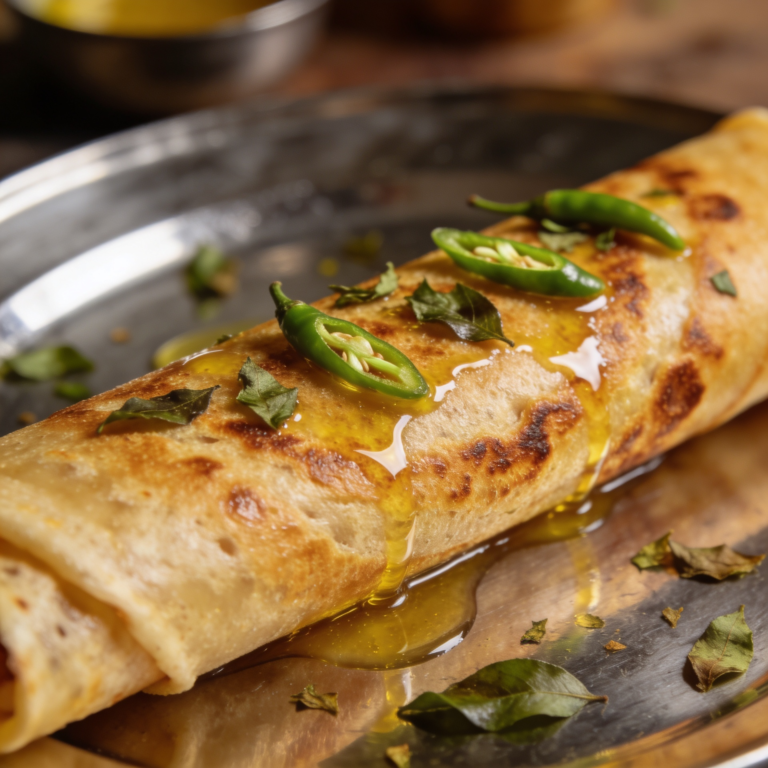
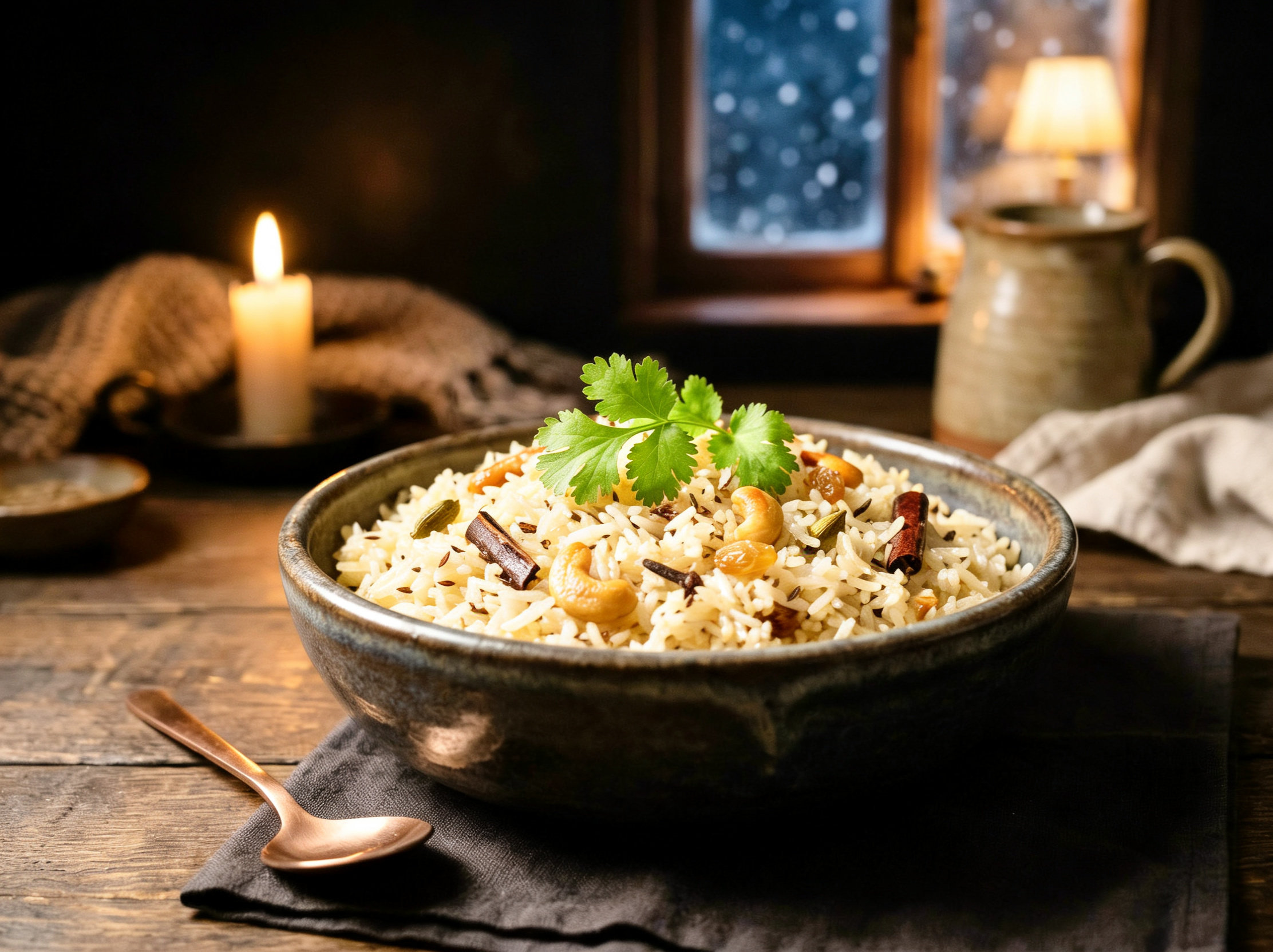
Ghee rice — simple, fragrant, and nutritious
Tips for Perfect Ghee Rice
- Don’t skimp on ghee: This is literally “ghee rice”—the ghee IS the dish. Using too little makes it just regular rice with spices.
- Use aged basmati: Aged rice absorbs ghee better and produces longer, fluffier grains. Seeraga samba is the traditional Tamil choice for a more fragrant, short-grain version.
- Quality of ghee matters enormously: Pure A2 ghee from native breeds has a rich, nutty aroma that transforms the dish. large-scale ghee lacks this depth. Use A2 ghee for cooking to taste the difference.
- Toast the rice: Sautéing rice in ghee before adding water is the secret step most recipes skip. It creates separate grains and a deeper flavour.
- Rest before serving: After cooking, let the rice sit covered for 5 minutes off heat. This lets the grains firm up and absorb the last of the ghee.
Delicious Variations
Temple-Style Nei Sadam (Simplest)
Skip all spices. Simply mix hot steamed rice with generous A2 ghee and a pinch of salt. This is how many Tamil temples serve nei sadam as prasadam—pure, simple, divine.
Nei Sadam with Fried Onions
Slice 2 onions thin and fry in ghee until golden before adding spices. Adds a sweet, caramelised layer to the dish.
Lemon Nei Sadam
After cooking, squeeze half a lemon over the rice and toss with fried peanuts and curry leaves. A tangy twist on the classic.
Nei Sadam with Biryani Gravy
Serve nei sadam alongside any biryani-style gravy—the ghee rice absorbs the gravy beautifully while maintaining its own identity.
Kids’ Nei Sadam
Mix hot rice with 2 tbsp ghee and 1 tsp sugar (or jaggery). Simple, sweet, and every Tamil kid’s favourite after-school snack.
Nutritional Information
Per serving (approximately, based on 4 servings)
| Nutrient | Amount |
|---|---|
| Calories | ~380 kcal |
| Carbohydrates | ~55 g |
| Fat | ~15 g (from ghee and cashews) |
| Protein | ~7 g |
| Fibre | ~1 g |
The ghee in nei sadam isn’t empty calories—it delivers fat-soluble vitamins A, D, E, and K2, plus butyric acid for gut health. It also enhances absorption of nutrients from accompanying dishes like dal or vegetables.
Cultural Significance in Tamil Nadu
Nei sadam isn’t just food in Tamil Nadu—it’s culture. Here’s where you’ll find it:
- Temple prasadam: Murugan temples (especially Palani and Tiruchendur) are famous for their nei sadam offerings
- Weddings: No Tamil wedding feast (kalyana samayal) is complete without nei sadam on the banana leaf
- Pongal festival: Ven Pongal, a close cousin, uses ghee as its primary fat
- Comfort food: Tamil mothers give nei sadam to children with a cold or fever—it’s gentle on the stomach and nourishing
- Annadanam: Free food distribution at temples almost always includes nei sadam
Learn more about ghee’s deep roots in Tamil Nadu culture.
Make Authentic Nei Sadam with Raghas Dairy A2 Ghee
Made from milk sourced from Tamil Nadu native desi cows in Madurai. Traditional Bilona method for the richest flavour.
Free shipping on orders above ₹1,750
Frequently Asked Questions
What is nei sadam?
Nei sadam (நெய் சாதம்) is a traditional Tamil Nadu dish of rice cooked with generous amounts of pure ghee and tempered with whole spices like cloves, cinnamon, and cardamom. “Nei” means ghee in Tamil and “sadam” means cooked rice. It’s a staple at temples, weddings, and family meals.
How much ghee should I use for ghee rice?
The ideal ratio is 2–2.5 tablespoons of ghee per cup of uncooked rice. For 2 cups of rice, use 4–5 tablespoons. Nei sadam is meant to be rich—using less ghee won’t give the authentic flavour and aroma.
Can I make nei sadam with regular ghee?
You can, but the flavour difference is significant. Pure A2 desi cow ghee made by the Bilona method has a deep, nutty aroma and golden colour that transforms nei sadam. Regular regular market ghee or large-scale ghee lacks this complexity.
Which rice is best for ghee rice?
Basmati rice gives the longest, fluffiest grains. Seeraga samba (a short-grain Tamil variety) is the traditional choice for a more fragrant, slightly sticky texture. Both work beautifully. Avoid parboiled rice for this dish.
What do you serve with nei sadam?
Traditionally, nei sadam is served with raita, pickle (especially mango or lemon), appalam (papad), and a gravy like chicken curry, mutton kuzhambu, or dal. For a simple meal, just nei sadam with pickle and yoghurt is perfect.
Is ghee rice healthy?
In moderate portions, yes. The ghee provides fat-soluble vitamins and butyric acid, while rice provides energy. The spices (cinnamon, cloves, cardamom) have antioxidant properties. As with any rice dish, portion control matters for those watching carb intake.