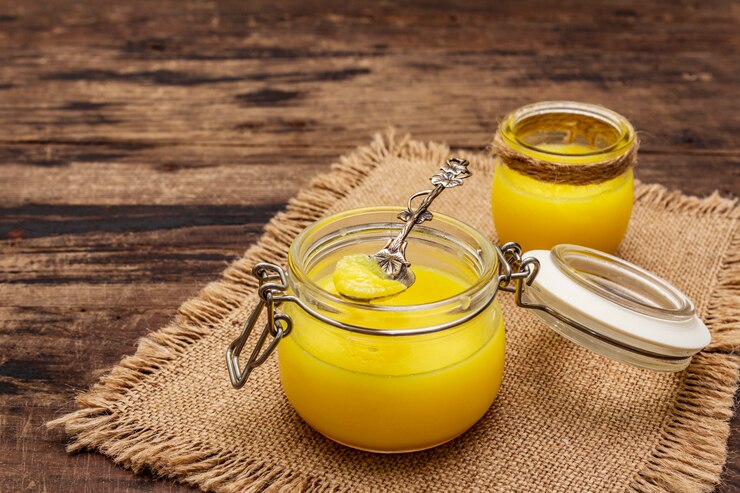
Ghee Smoke Point: Is It Safe for High-Heat Indian Cooking?
Ghee is widely used in Indian cooking because it handles heat better than many moisture-rich fats. It works well for dosa, tadka, pongal, dal, rice, chapati and many sweets when used with normal kitchen heat.
Quick answer
- Ghee is suitable for many high-heat Indian cooking uses, but it should not be burnt.
- Smoke point is not a licence to overheat any fat; aroma and colour are practical warning signs.
- Choose ghee by source, freshness and taste, then use the right amount for the dish.
What smoke point means
Smoke point is the temperature at which a fat starts smoking visibly. Once a fat smokes heavily, flavour changes and quality drops. In home cooking, you usually do not need to measure temperature; watch the pan, smell and colour.
Ghee has low moisture compared with butter, which is one reason it is useful in Indian kitchens. Still, any fat can burn if overheated.
Best Indian uses for ghee
| Use | How to use ghee well |
|---|---|
| Dosa | Add around the edges near the end for aroma and crispness. |
| Pongal | Use in tempering and as a finishing spoon. |
| Dal and sambar rice | Add after cooking for aroma. |
| Idli podi | Mix with podi just before eating. |
| Sweets | Use steady heat and avoid smoking. |
How to avoid burning ghee
- Use medium heat for tempering unless the recipe needs high heat.
- Add spices only after the ghee is hot, not smoking heavily.
- If the ghee smells harsh or bitter, reduce heat immediately.
- Do not reuse overheated ghee again and again.
- Store the jar away from water, steam and wet spoons.
A2 milk-source ghee in cooking
For Raghas Dairy, the source is milk from Tamil Nadu native desi cows only, as a mixed native herd. The practical benefit for the cook is not a medical claim; it is a clear source story, traditional preparation and a flavour profile that suits South Indian food.
To compare method, read curd-churned ghee vs cream-separated ghee. To choose dishes, read 10 South Indian recipes that taste better with desi ghee.
Helpful next reads
Frequently asked questions
Can I use ghee for dosa?
Yes. Add it near the end or around the edges so the aroma stays fresh and the dosa crisps well.
Can ghee burn?
Yes. If overheated, ghee can smoke and taste harsh. Use controlled heat.
Is ghee better than oil for every dish?
Not every dish needs ghee. Use it where aroma and flavour improve the food.
Which Raghas product should I use for cooking?
For daily cooking, start with Pure A2 Desi Cow Ghee.
Useful official references
Choose the right ghee for South Indian cooking
For dosa, idli podi, pongal, rasam rice and everyday cooking, start with Pure A2 Desi Cow Ghee. For a deeper aroma profile, compare it with Full Moon Ghee.
Practical heat control
For most home cooking, medium heat is enough. Heat the pan, add ghee, then add spices or food before the ghee smokes heavily. This protects flavour and keeps the dish cleaner.
For dosa, add ghee after the batter has set. For tadka, keep spices ready before heating the ghee. For sweets, use steady heat and stir patiently.
If the ghee darkens too quickly or smells sharp, reduce heat. Good cooking is less about maximum temperature and more about control.
Use ghee where it has a job. For deep aroma, add it near the end. For tempering, keep the heat steady. For sweets, let the ghee warm the flour, rava or dal slowly. These small choices protect flavour better than simply using more ghee.
When to add ghee to everyday dishes
For South Indian kitchens, the most useful advice is dish-specific. Add ghee near the end for dosa. Use it in tempering for pongal. Add it as a finishing spoon for rasam rice and dal rice. Use steady heat for sweets.
For more meal ideas, see our South Indian recipes with desi ghee.
Best buyer takeaway
Ghee is a strong cooking fat for Indian kitchens when used with control. The best result comes from matching the dish to the timing: early for some sweets, middle for tempering, and final spoon for rice dishes. That is how a small quantity can create a clear flavour difference.
When in doubt, use less ghee first and add more at the table. This protects aroma and keeps the dish balanced.
Good ghee should support the dish. It should not hide the taste of dal, rice, spices or vegetables.
For everyday cooking, this means ghee can be both practical and premium. Use it with intention, not automatically in every recipe.